Interesting Facts About Nigeria and Why It Stands Out Globally
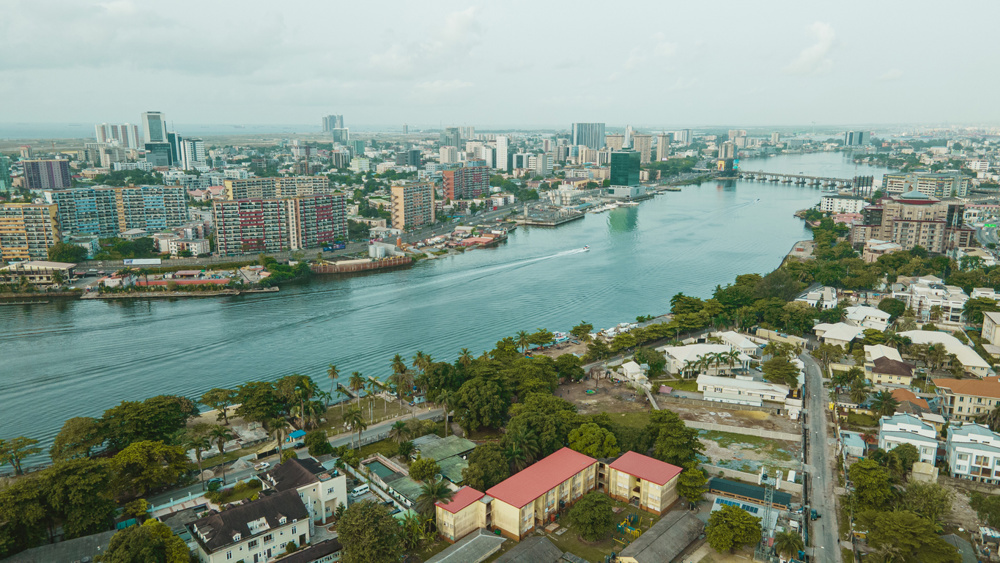
Nigeria stands out globally not just for its size, but for how its influence spreads across culture, economics, and identity. With over 236 million people, hundreds of ethnic groups, and one of the world’s most active creative industries, the country operates at a scale that shapes both regional and global trends. From ancient civilizations to modern film and music exports, Nigeria reflects a balance of history and forward momentum.
What makes Nigeria especially compelling is how these elements intersect. Its population drives innovation, its diversity fuels creativity, and its industries amplify its voice worldwide. Understanding Nigeria means looking beyond individual facts and seeing how these forces connect.
Nigeria's Population: Africa's Most Crowded Nation
With over 236 million people, Nigeria stands as Africa's most populous nation, representing nearly 3% of the world's population and ranking sixth globally. You'll find its closest African neighbors — Ethiopia, Egypt, and DR Congo — trailing markedly behind in population size.
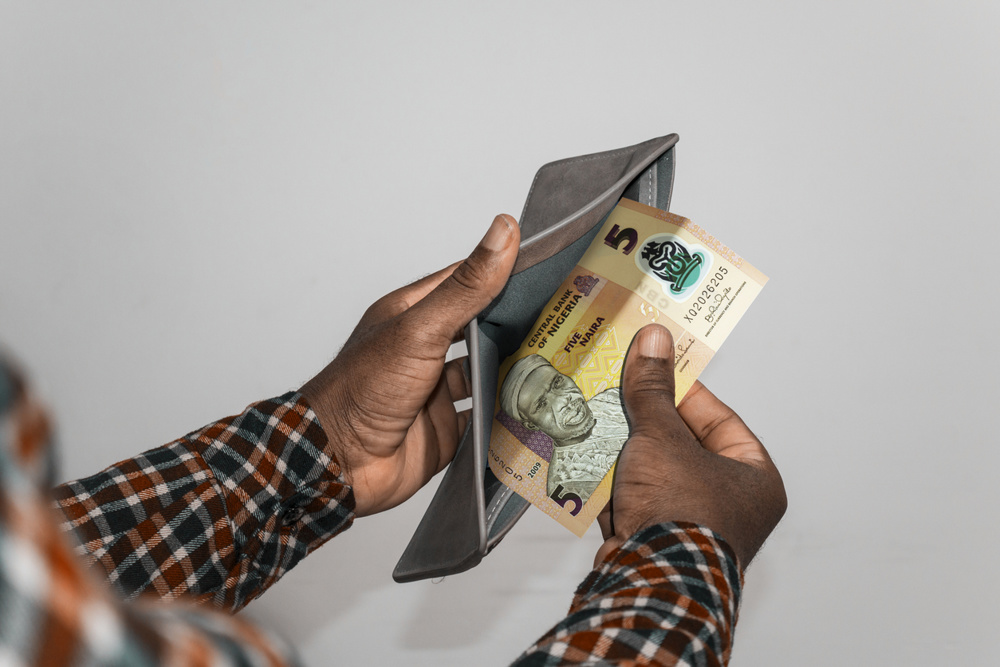
Nigeria's demographic profile reveals a striking youth bulge, with a median age of just 18 years and a fertility rate of 4.3 children per woman. Projections suggest the population could reach 375 million by 2050 and exceed 500 million by 2100. As Nigeria's economy continues to grow, understanding the value of the Nigerian naira against other currencies becomes increasingly relevant.
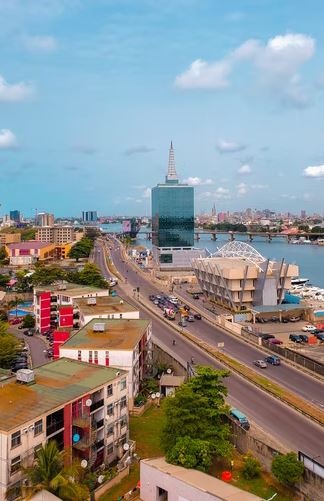
Urban overcrowding defines many Nigerian cities, particularly Lagos, Africa's largest city with over 15 million residents. More than half the population now lives in urban centers, straining infrastructure and resources as Nigeria's annual growth rate continues climbing at approximately 2.1%. Beyond Lagos, major urban centers such as Kano, Ibadan, Abuja, and Port Harcourt continue to absorb millions as rural-to-urban migration accelerates across the country.
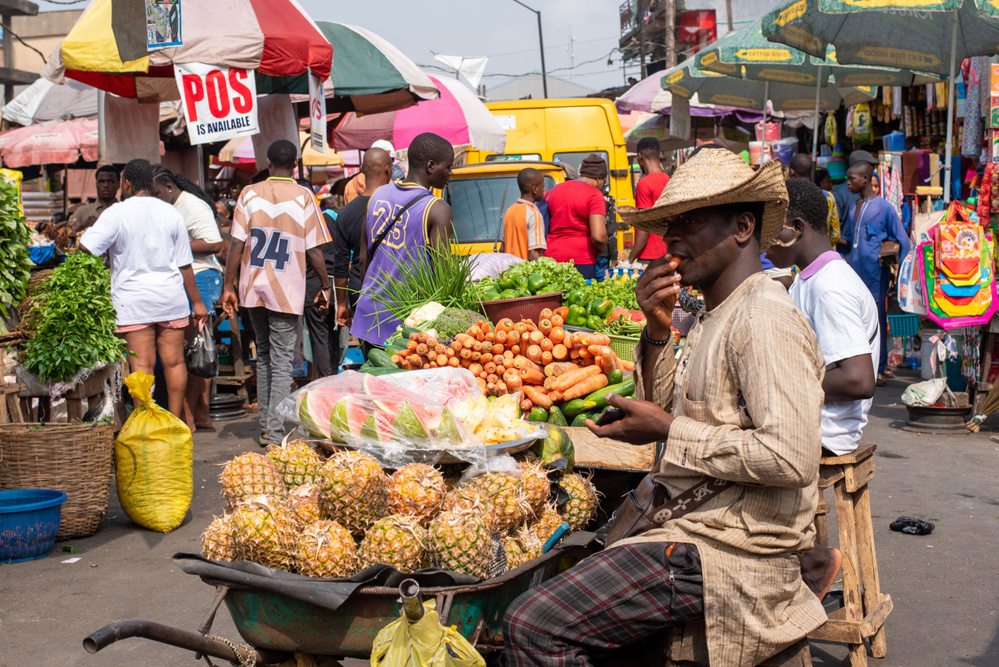
Nigeria's Ancient Roots: Civilization Before Colonial Rule
Nigeria’s global significance is deeply rooted in its history. Long before colonial rule, the region was home to advanced civilizations that demonstrated innovation, organization, and artistic achievement. The Nok culture, known for its terracotta sculptures and early ironworking, represents one of the earliest examples of complex societies in West Africa.
The Ife and Benin kingdoms further illustrate this sophistication. These societies developed structured political systems, trade networks, and artistic traditions that influenced surrounding regions. The Benin Bronzes, for example, are not only artistic masterpieces but also historical records that document social and political life.
These early civilizations were interconnected through trade and cultural exchange, contributing to Nigeria’s long-standing diversity. This historical foundation continues to influence modern Nigeria, where cultural identity is shaped by centuries of interaction, adaptation, and resilience.
How Nigeria Became Africa's Largest Economy
Nigeria's economic transformation began with a groundbreaking recalculation in 2013, when the country revised its GDP measurement to include previously uncounted sectors — pushing its nominal GDP to $510 billion, roughly 80 percent higher than earlier estimates.
This GDP recalibration instantly elevated Nigeria to the 26th largest economy globally. Key drivers behind this economic rise include:
- Manufacturing rise that made Nigeria's sector the continent's largest
- Oil reserves covering 28 percent of Africa's total supply
- A 170-million population fueling consumer demand
- Non-oil sectors like telecommunications and financial services expanding rapidly
Nigeria also contributes approximately 1.5 percent to global GDP — the only African nation at that level — cementing its position as the continent's premier economic force. Forecasts by Moody's Investors Service project Nigeria's GDP surpassing $4.5 trillion by 2050, potentially placing it among the world's top 15 economies. Analysts and researchers increasingly rely on online calculation tools to model and verify the complex economic projections that underpin these forecasts.
Nigeria's Oil and Gas: How Natural Resources Drive the Economy
Oil remains a central part of Nigeria’s economy, contributing significantly to exports and government revenue. With some of the largest reserves in Africa, Nigeria plays a key role in global energy markets. Its natural gas reserves also position it as an important player in future energy strategies.
However, reliance on oil has also revealed vulnerabilities. Fluctuations in global oil prices can impact economic stability, prompting efforts to diversify. Initiatives focused on natural gas, renewable energy, and non-oil sectors aim to create a more balanced economy.
This shift reflects a broader transformation. Nigeria is gradually moving from dependence on a single resource toward a more sustainable and diversified model, aligning with global economic trends.
Take a quick sip of knowledge with these fun Nigeria facts.
Nigeria's 250+ Ethnic Groups and What Unites Them
Diversity defines Nigeria like few other nations on Earth. You'll find over 250 ethnic groups here, with estimates reaching 400, each carrying distinct languages, customs, and traditions. Yet beneath this complexity, ethnic unity remains achievable through shared history and cultural exchange. Several forces bring Nigerians together:
- Shared food and dress cross ethnic boundaries naturally
- National symbols like the flag, Pledge, and Anthem reinforce collective identity
- Historical interdependence among groups built mutual tolerance over centuries
- Cross-cultural communication actively strengthens integration today
Nigeria's three dominant groups—Hausa, Yoruba, and Igbo—coexist alongside hundreds of others in a society that's genuinely multi-ethnic, multi-lingual, and multi-religious. Your Nigerian identity doesn't replace your ethnic identity; it complements it, making the nation's diversity its greatest strength.
How Does Nigeria Support Over 500 Indigenous Languages?
Few countries can match Nigeria's linguistic richness—over 520 native languages spoken across its borders, making up roughly 7% of the world's total. These languages span Afroasiatic, Nilo-Saharan, and Niger-Congo families, with Nigerian Pidgin serving over 60 million speakers as a common bridge.
Nigeria actively preserves these languages through digital archives, capturing vocabulary, grammar, and oral traditions before they disappear. Community radio stations broadcast in indigenous languages, keeping them alive in everyday life. The N-ATLAS AI technology strengthens these efforts by safeguarding over 500 languages through documentation and digitalization.
Beyond preservation, these languages shape identity, sustain cultural heritage, and build community cohesion. Language education programs and cultural immersion activities further make certain that Nigeria's extraordinary linguistic diversity remains a living, breathing part of its national fabric. Among the most widely spoken is Hausa, a major West Chadic language with approximately 63 million speakers when including second-language users across West Africa and the Sahel.
Nollywood: Why Nigeria Runs the Second Biggest Film Industry
When you think of global cinema powerhouses, Hollywood and Bollywood likely come to mind first—but Nigeria's Nollywood has firmly claimed its place as the world's second-largest film industry by volume. Through low budget innovation and diaspora collaborations, Nollywood produces over 2,500 films annually while employing over one million Nigerians.
The term coined in 2002 by journalist Norimitsu Onishi after observing film production in Lagos, "Nollywood" blends Nigeria with Hollywood to reflect the industry's global ambitions.
Here's why Nollywood stands out:
- It generates approximately $600 million yearly, contributing 5% of Nigeria's GDP
- The Wedding Party earned $1.5 million, triggering Netflix acquisitions of Nigerian films
- Diaspora collaborations elevated Half a Yellow Sun featuring stars like Chiwetel Ejiofor and John Boyega
- Low budget innovation inspired film industries across Ghana, Kenya, Tanzania, and Uganda
Nollywood isn't just Nigeria's cultural export—it's reshaping African storytelling globally.
Nigeria's Art and Fashion: From Benin Bronzes to Global Runways
Just as Nollywood carries Nigerian stories to screens worldwide, Nigeria's visual art and fashion have long commanded global attention—none more powerfully than the Benin Bronzes. Cast through elaborate lost-wax techniques from the fourteenth century, these masterworks of Edo craftsmanship decorated royal palace walls and documented centuries of Benin kingdom history.
British forces stole them in 1897, scattering thousands across Western museums—though repatriation efforts are actively reclaiming them. Their naturalistic forms, deliberate exaggerations, and metallic contrasts influenced global aesthetics far beyond Nigeria's borders. The bronzes served as visual records of kingdom history, documenting clothing, rituals, architecture, and warfare commissioned by obas to reinforce court rank and etiquette.
Today, that legacy fuels a runway revival, as contemporary Nigerian designers channel ancestral visual languages into fashion fusion collections that merge traditional Edo motifs with international silhouettes. You're witnessing a nation that's always created world-class art—and refuses to let the world forget it.
Why Millions of Nigerians Still Live Without Water or Electricity
Scarcity in Nigeria isn't about shortage—it's about failure. Water poverty and energy exclusion define daily life for tens of millions, not because resources don't exist, but because systems have collapsed under mismanagement and corruption. Consider what this means on the ground:
- Over 60 million Nigerians lack clean drinking water
- Piped water access dropped from 32% in 1990 to just 3% in 2015
- Low-income families spend ₦1,000 daily on sachet water alone
- Women and girls lose hours daily to water collection, sacrificing education
You're looking at a country where infrastructure operates at 15% capacity. Funds get misappropriated, policies exist only on paper, and vulnerable communities keep suffering the consequences. More than 70,000 children under five die every year from waterborne diseases directly tied to this systemic collapse.
Why Nigeria Is Projected to Shape the World by 2050
Nigeria’s future influence is closely tied to its demographic and economic trajectory. By 2050, it is expected to become one of the most populous countries in the world, with a workforce that could play a central role in global production, innovation, and consumption. This scale alone positions Nigeria as a country that will increasingly shape international markets and cultural trends.
A key factor in this projection is its youth population. A large, young workforce has the potential to drive advancements in technology, entrepreneurship, and creative industries. Sectors such as fintech, digital media, and renewable energy are already expanding, reflecting how Nigeria is adapting to global shifts while developing its own solutions.
However, this potential depends on strategic investment. Education, infrastructure, and governance will determine how effectively Nigeria can translate population growth into sustainable progress. If these areas are strengthened, Nigeria is likely to become not just a participant in global systems, but a major force influencing how those systems evolve.
How Nigerian Music Shapes Global Pop Culture
Nigerian music, particularly Afrobeats, has become one of the most recognizable and influential sounds in global pop culture. What began as a regional genre has evolved into a worldwide movement, driven by artists who blend traditional rhythms with contemporary influences like hip-hop, R&B, and electronic music. The result is a sound that feels both rooted and universal.
Artists such as Burna Boy, Wizkid, and Tems have played a central role in this expansion. Their music regularly appears on international charts, and collaborations with global artists have introduced Afrobeats to new audiences. These partnerships are not one-sided; Nigerian artists bring their own distinct style, shaping the direction of global music rather than simply adapting to it.
Streaming platforms and social media have accelerated this reach. Songs can gain international attention within days, fueled by playlists, viral trends, and user-generated content. As a result, Nigerian music has moved from the margins to the center of global pop culture, influencing how music is produced, distributed, and consumed.
The Role of Social Media in Nigeria’s Global Influence
Social media has transformed how Nigerian culture spreads across the world. Platforms like TikTok, Instagram, and YouTube allow creators to share content instantly, reaching audiences far beyond national borders. This accessibility has made it possible for Nigerian music, dance, fashion, and humor to gain global visibility without relying on traditional media channels.
Viral trends often originate from Nigerian creators, particularly in music and dance. A single clip can inspire millions of recreations, turning local expressions into global phenomena. This process is not controlled by institutions—it is driven by communities of users who engage, adapt, and share content in real time.
Beyond entertainment, social media also fosters cultural exchange. It allows audiences to engage directly with Nigerian creators, creating a sense of connection that goes beyond passive consumption. In this way, digital platforms have positioned Nigeria as an active participant in shaping global culture, rather than simply contributing to it.
Conclusion
Nigeria stands out not just because of its size or resources, but because of how its people, culture, and industries intersect. From ancient civilizations to modern entertainment, the country reflects a dynamic balance of tradition and innovation.
While challenges remain, Nigeria’s influence continues to expand across multiple areas. Its population drives momentum, its diversity fuels creativity, and its cultural exports shape global conversations. Understanding Nigeria means recognizing both its complexity and its potential. As it continues to evolve, its role on the global stage is likely to become even more significant.