How to Build a Travel Calendar for Your First Trip to Nigeria
Planning your first trip to Nigeria can feel overwhelming, but a well-structured travel calendar makes the process far more manageable. Nigeria is a country of contrasts—fast-paced cities, historic towns, vibrant festivals, and diverse landscapes—all of which require thoughtful timing and coordination. Instead of planning loosely, organizing your trip around a clear calendar helps you make the most of your time, budget, and overall experience.
A strong travel calendar does more than list dates. It aligns seasons, destinations, logistics, and cultural events into a realistic plan. By understanding when to go, where to visit, and how to prepare, you can avoid common pitfalls and focus on enjoying the journey.
Pick the Best Time to Plan Your Nigeria Trip
Timing is one of the most important decisions when building your travel calendar. Nigeria has two main seasons—the dry season (November to April) and the rainy season (May to September)—and each offers a different experience.
The dry season is generally the most popular time to visit. Clear skies, lower humidity, and easier transportation conditions make it ideal for sightseeing and outdoor activities. December is especially vibrant, with festivals, concerts, and holiday celebrations taking place across major cities. However, this peak period also comes with higher prices and increased demand for flights and accommodations.
The rainy season offers a quieter and more affordable alternative. Travel costs often drop significantly, and landscapes become greener and more visually striking. While heavy rainfall can affect road conditions and outdoor plans, it also creates opportunities to experience Nigeria in a less crowded and more relaxed setting. Choosing the right time depends on your priorities—whether you value convenience and events or lower costs and fewer crowds.
Choose the Right Nigeria Destinations for Your Calendar
Nigeria’s regions offer different experiences, so selecting destinations that align with your travel dates is essential. Each location has its own rhythm, influenced by weather, culture, and local events.
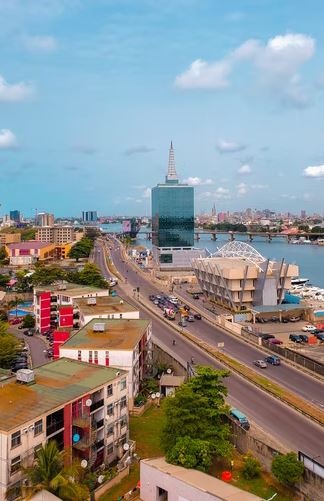
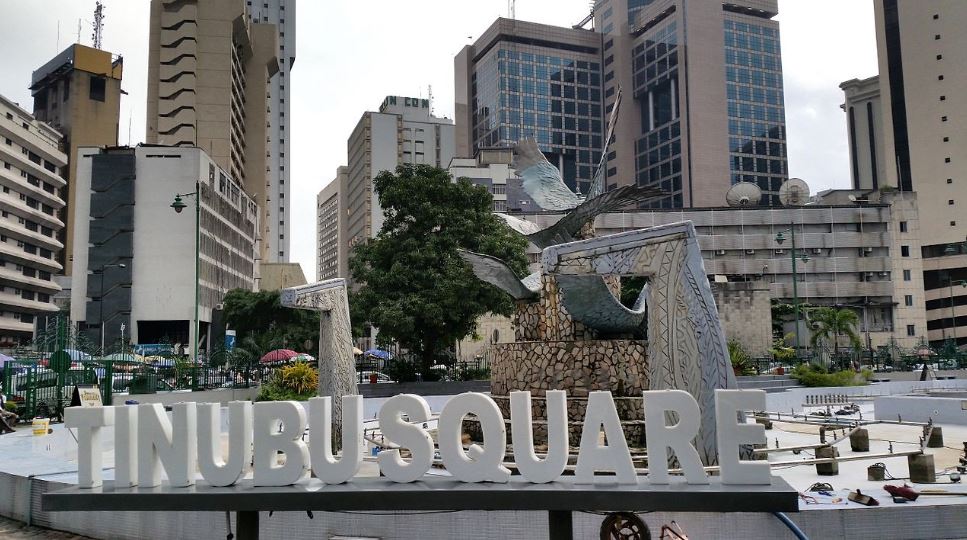
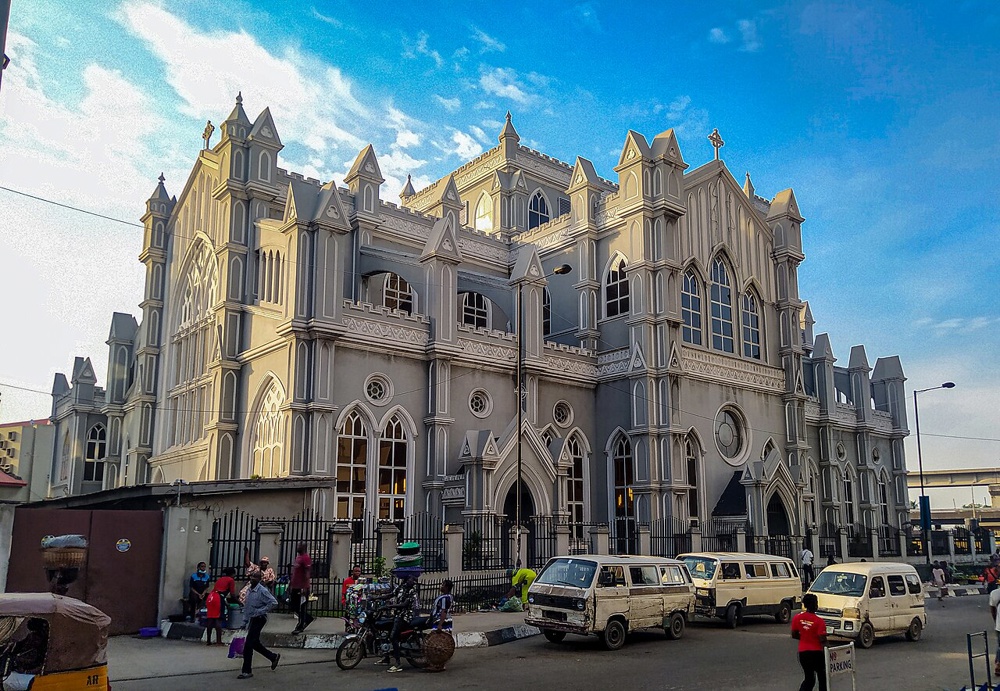
- Lagos is often the starting point for first-time visitors. As Nigeria’s largest city, it combines beaches, nightlife, art, and business districts. It works well year-round, though outdoor activities are more enjoyable during the dry season.
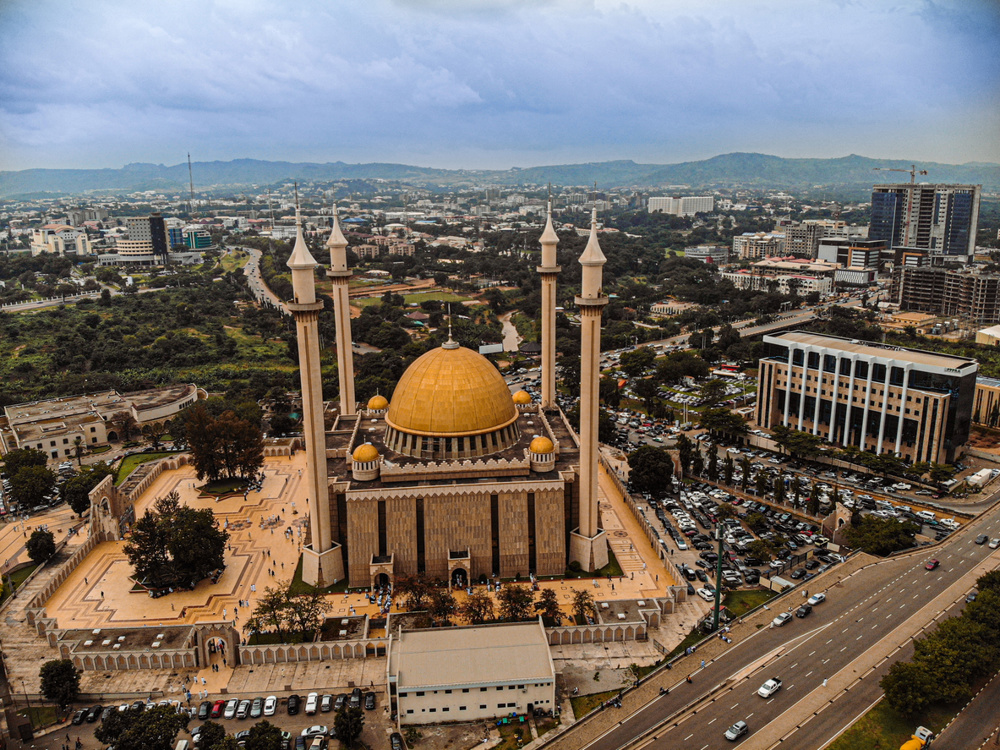
- Abuja, the capital, offers a calmer environment with well-planned roads, parks, and cultural landmarks. It is particularly suited for travelers who prefer a more structured urban experience.
- Calabar stands out for its cultural significance, especially during the December Carnival, one of the largest street festivals in Africa. Visiting during this period allows you to experience Nigerian culture at its most energetic.
- For nature and adventure, destinations like Idanre Hills, Mambilla Plateau, and waterfalls such as Gurara and Agbokim provide scenic escapes. These locations are best planned around weather conditions, as accessibility can change with the seasons.
Selecting destinations carefully ensures your calendar reflects both your interests and practical travel conditions.
Build Your Nigeria Itinerary Day by Day
Breaking your trip into daily plans helps transform a broad idea into a realistic schedule. Instead of overloading your itinerary, focus on balancing activities with time for rest and flexibility. A typical first trip might begin in Lagos, where you can explore cultural landmarks, markets, and coastal areas.
From there, short trips to nearby cities like Abeokuta or Badagry provide historical context and deeper cultural insight. Each day should have a clear focus—whether it’s exploring a specific area, attending an event, or experiencing local cuisine. This approach prevents unnecessary travel time and allows you to engage more fully with each location.
It is also important to account for travel logistics. Traffic, especially in Lagos, can be unpredictable, so scheduling early departures and allowing extra time between activities will help you stay on track. A well-paced itinerary ensures that your trip remains enjoyable rather than rushed.

Get Your Nigeria Travel Documents in Order
Before you book flights or finalize your itinerary, getting your travel documents in order is non-negotiable. Start with your passport checklist: your passport must be valid for your entire stay, have at least six months beyond your departure date, and include two blank pages for stamps. Dual citizens must enter and exit using a Nigerian passport.
Next, secure your visa. Most travelers need one, though ECOWAS nationals and others may qualify for exemptions. Apply for an eVisa at least 15 business days before arrival. Complete your Nigeria Landing Card online before you travel, and carry proof of accommodation, sufficient funds, and a return ticket.
Note that the Landing Card is valid for single entry only, so you will need to submit a new application if you plan to make multiple trips. Don't skip vaccination verification—yellow fever or polio certificates are required from at-risk countries and must be ready for immigration checks.
Create your own travel calendar to plan adventures for your Nigeria trip!
Find and Book the Best Flights to Nigeria
Flight planning is a major part of your travel calendar, and getting it right can significantly impact both your budget and overall experience. Booking early is one of the most effective ways to secure better prices and more convenient flight options, especially if you plan to travel during peak seasons like December.
When comparing flights, it’s important to look beyond price. Consider total travel time, layover duration, and airline reliability. Long layovers may reduce costs but can increase fatigue, especially on flights that already exceed 10 hours. If possible, aim for routes with manageable transit times and fewer connections.
Arrival timing also matters. Landing during daylight hours can make airport transfers easier and help you settle in more comfortably. This is particularly useful for first-time visitors navigating a new environment. Once your flights are confirmed, they become the foundation of your travel calendar. From there, you can finalize accommodation, transportation, and daily plans with greater confidence and clarity.
Use These Digital Tools to Organize Your Nigeria Trip
Staying organized is essential when managing multiple aspects of your trip, and digital tools can simplify the process significantly. Instead of juggling separate notes, confirmations, and schedules, you can centralize everything in one place for easy access.
Travel apps allow you to store flight details, hotel reservations, and activity bookings in a single itinerary. This reduces the risk of losing important information and helps you quickly reference your plans while traveling. Having everything in one place also makes it easier to adjust your schedule if needed.
Mapping tools are especially useful in Nigeria’s larger cities, where distances can be significant and traffic conditions vary. Reviewing routes in advance helps you understand how long it will take to move between locations, allowing you to plan more realistic daily schedules.
Offline access is another important consideration. Saving key information—such as addresses, directions, and contact numbers—ensures that you can navigate even without a stable internet connection. This added layer of preparation can make a noticeable difference in unfamiliar areas. When used effectively, these tools support a well-structured travel calendar, making your trip more organized, efficient, and stress-free.
Design a Visual Nigeria Travel Calendar That Works
A visual calendar transforms your travel plan into a clear and manageable timeline. Instead of relying on scattered notes or mental tracking, you can see your entire trip laid out in a structured format, making it easier to understand and adjust.
Organizing your calendar by day allows you to allocate time for travel, activities, and rest in a balanced way. Color-coding different categories—such as transportation, sightseeing, and events—adds another layer of clarity. At a glance, you can identify busy days, lighter schedules, and potential conflicts.
Including key dates, such as public holidays or major festivals, helps you plan around peak periods. This is especially important in Nigeria, where events can affect traffic, accommodation availability, and pricing. By marking these dates early, you can adjust your plans accordingly.
A visual calendar also helps you maintain realistic pacing. Seeing your schedule laid out makes it easier to avoid overloading certain days and ensures that you have enough time to fully experience each destination. Ultimately, a well-designed calendar turns planning into a practical system that supports both structure and flexibility.
Add These Backup Plans to Protect Your Nigeria Schedule
Even the most carefully designed travel calendar can unravel without solid backup plans, so build contingencies into your Nigeria schedule before you leave home. Store duplicate documents separately from your originals, including your passport, visa, yellow fever certificate, and travel insurance. Print everything one week before departure and list your emergency contacts where family members can easily reach you.
Protect your finances by notifying your bank three months ahead, carrying small daily cash amounts, and keeping emergency funds hidden separately. Use ATMs inside banks or hotels and explore mobile money options like PalmPay or OPay.
For health, confirm your yellow fever vaccination at least 10 days before travel and pack labeled prescriptions. Build rest days into your schedule to handle jet lag and unexpected delays confidently. Before wrapping up your trip, exchange any remaining local currency and allow extra time for goodbyes to avoid last-minute departure stress.
How to Experience Nigerian Culture Through Your Travel Calendar
A travel calendar should go beyond logistics and include meaningful cultural experiences. Nigeria’s culture is expressed through its festivals, music, cuisine, and everyday interactions, all of which can be incorporated into your itinerary.
Planning your trip around events like the Calabar Carnival or local festivals allows you to experience the country at its most vibrant. These events offer insight into traditions, community life, and artistic expression that cannot be captured through standard sightseeing alone.
Food is another important cultural element. Scheduling time to explore local restaurants or street food areas gives you a deeper understanding of regional flavors and culinary traditions. These experiences often become some of the most memorable parts of a trip.
Even simple interactions—such as visiting markets or engaging with local communities—add depth to your journey. By intentionally including these moments in your calendar, you create a more immersive and authentic travel experience.
Common Mistakes to Avoid When Planning Your Nigeria Trip
First-time travelers often make a few common mistakes that can affect their overall experience. One of the most frequent is trying to do too much in a limited time. Overloading your itinerary can lead to fatigue and reduce the quality of each experience. Another common issue is underestimating travel time, especially in busy cities like Lagos.
Traffic conditions can vary significantly, and failing to account for this can result in missed plans or unnecessary stress. Inadequate preparation is another challenge. Missing documents, unclear visa requirements, or lack of awareness about local conditions can create avoidable complications. Taking time to organize these details early helps ensure a smoother trip.
Finally, focusing too heavily on logistics while overlooking cultural experiences can limit the depth of your यात्रा. A well-rounded plan includes both practical arrangements and meaningful engagement with the destination. By avoiding these mistakes, you can create a travel calendar that is both efficient and enjoyable.
Conclusion
Building a travel calendar for your first trip to Nigeria is about more than organizing dates—it is about creating a plan that balances timing, destinations, logistics, and cultural experiences. By understanding seasonal patterns, choosing the right locations, and preparing thoroughly, you can design a trip that is both efficient and memorable.
Nigeria offers a rich and dynamic travel experience, and a well-structured calendar allows you to engage with it fully. With the right approach, your first trip becomes not just a visit, but a meaningful exploration of a vibrant and diverse country.