Houston’s Old Skool Hip-Hop Legends & Revival Shows

Houston's old skool hip-hop scene thrives today through revival shows celebrating legends like DJ Screw, the Geto Boys, and Swishahouse artists. You'll find events showcasing the iconic chopped and screwed sound, pioneering acts from Rap-A-Lot Records, and neighborhood-rooted performers who shaped H-Town's distinctive musical identity.
From Fifth Ward to Southside Houston, these tributes honor the city's rich hip-hop heritage while connecting new generations to the revolutionary sounds that changed music forever.
The Birth of Houston's Hip-Hop Scene in the 1980s
While New York City is often credited as hip-hop's birthplace, Houston carved out its own distinctive chapter in the genre's history by the early 1980s. The city's large nightclubs and community spaces provided fertile ground for hip-hop's grassroots cultural spread in ways many Northeast venues couldn't match.
Early hip hop radio made its mark when Texas Southern University's KTSU began giving the emerging sound recurring airtime, helping introduce youth to hip-hop while nurturing future DJs and artists. As more local voices and DJs gained confidence on the air, those broadcasts became an even more influential force in shaping Houston's developing hip-hop identity.
DJ Screw and the Creation of the "Chopped and Screwed" Sound
As Houston's hip-hop infrastructure took shape in the late 1980s, one artist would soon revolutionize the city's sound in ways nobody could have predicted. Robert Earl Davis Jr. (DJ Screw) developed the "chopped and screwed" technique by slowing tracks and repeating key moments to create hypnotic effects that matched Houston’s late-night energy.
You've likely heard of Screw's influential mixtape culture, which produced hundreds of “Screw tapes” featuring the Screwed Up Click collective. These cassettes became underground treasures, with the iconic “June 27th Freestyle” cementing his legacy. Despite widespread bootlegging and monetization challenges, Screw's sound became synonymous with Houston's identity.
His glacial tempos transcended regional boundaries after his 2000 death, influencing mainstream artists while forever changing how listeners engage with hip-hop. His legendary status in Houston's music scene was further solidified by the incredible demand for his work, with fans lining up to get the latest tape as soon as it dropped.
The Geto Boys and Rap-A-Lot Records' National Impact
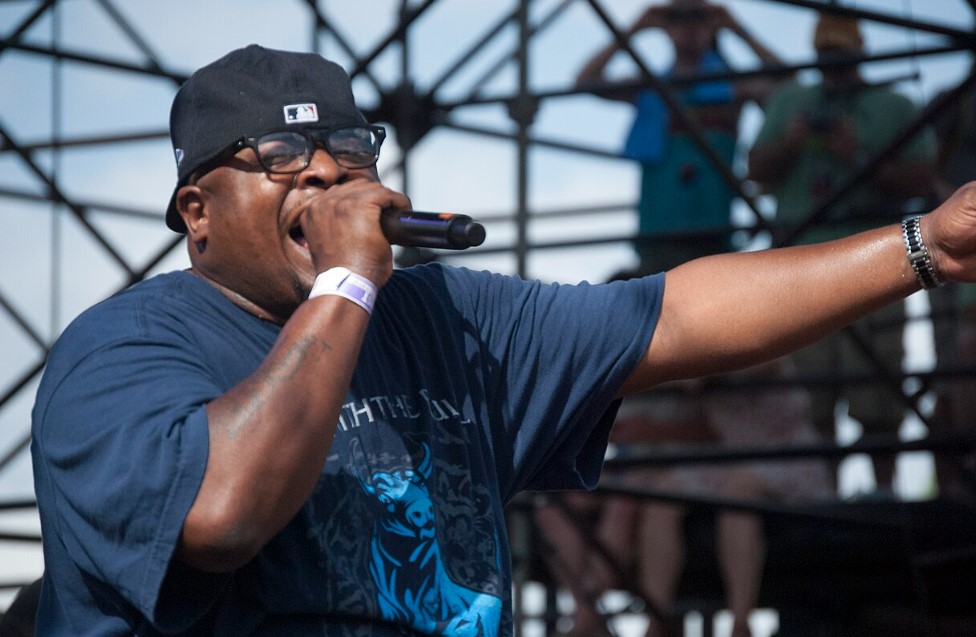
Jeremy Perez Photos., Scarface (rapper), CC BY-SA 2.0
The Geto Boys broke out of Houston's hip-hop underground in the mid-to-late 1980s, emerging under an early version of the name “Ghetto Boys.” After solidifying their most famous lineup with Bushwick Bill, Scarface, and Willie D, they achieved breakthrough success with “Mind Playing Tricks on Me,” which became a major national hit.
Their controversial lyrics sparked national debates on censorship, yet those obstacles also highlighted Rap-A-Lot’s independent model, which kept the group moving even when controversy made distribution and promotion harder. Despite media backlash and store resistance in some markets, “We Can’t Be Stopped” became their defining statement of survival and momentum.
The Geto Boys' lyrical impact extended beyond sales, influencing countless artists and establishing Southern rap as a legitimate force in American hip-hop culture. The group's early releases received mixed attention at the time, but they laid the foundation for later success and long-term influence.
Neighborhood Culture and Houston's Distinctive Hip-Hop Identity
Deeply rooted in marginalized African American communities across the city, Houston's hip-hop identity emerged as more than just music—it became a cultural language expressing neighborhood pride and resistance.
Fifth Ward, Third Ward, Fourth Ward, and Southside Houston weren't just locations, but incubators for neighborhood-centered music and community-based entrepreneurship. Historical venues helped foster Black artistic expression while DJ Screw's chopped and screwed technique created a sonic fingerprint uniquely Houston.
The Screwed Up Click united artists who championed their blocks through lyrics that resonated with locals facing structural racism and economic exclusion. Local club nights and neighborhood events became crucial platforms for emerging talent and the development of Houston's distinctive style.
You'll find that "repping the hood" wasn't just bragging—it was cultural affirmation in spaces where Black communities maintained autonomy despite systemic oppression, making Houston's hip-hop distinctively place-based and proudly defiant.
From Swishahouse to Modern Superstars: The Evolution of H-Town Rap
Swishahouse Records emerged in the late 1990s as North Houston's defiant answer to the Southside's dominance in the city's hip-hop landscape. Founded by Michael “5000” Watts and OG Ron C, this influential label championed the “Major Without a Major Deal” mindset, proving commercial success could happen independently.
Their underground mixtape distribution created a foundation for artists who'd become Houston legends:
- Mike Jones's "Who Is Mike Jones?" brought H-Town's distinct sound nationwide
- Paul Wall and Slim Thug's rise from mixtapes to mainstream visibility
- Chamillionaire's Grammy-winning career began in Swishahouse's ecosystem
"The Day Hell Broke Loose" series established North Houston's unique identity. “Still Tippin’” showcased the collective momentum of the Swishahouse era. The label's signature screwed and chopped style transformed songs into slowed-down, hypnotic tracks that became emblematic of Houston's rap scene.
Commercial industry shifts eventually transformed Houston's once-thriving independent scene, but Swishahouse's legacy as the blueprint for H-Town's rap evolution remains undeniable.
Celebrating the Legacy: Revival Shows and Old Skool Tributes
While Swishahouse's influence shaped the 2000s Houston sound, a powerful movement to honor the city's original hip-hop pioneers has taken root through revival shows and tribute events. These celebrations highlight legends like DJ Screw, the Geto Boys, Big Moe, and Big Pokey, preserving their groundbreaking contributions to Southern rap.
These tributes create multigenerational connections as older fans reconnect with the scene while younger audiences discover the rich legacy of artists who built Houston's hip-hop foundation through local venues and pioneering radio platforms.
You'll find cultural preservation at the heart of these gatherings, from the University of Houston's hip-hop programming to innovative performances like Bun B’s collaboration with the Houston Symphony. The influence of J. Prince remains evident at these events, as his business acumen and vision helped establish a blueprint that many Houston artists continue to follow today. The chopped and screwed technique remains prominently featured, maintaining this distinctive H-Town sound.